
The Archaeological Heritage of Bursa
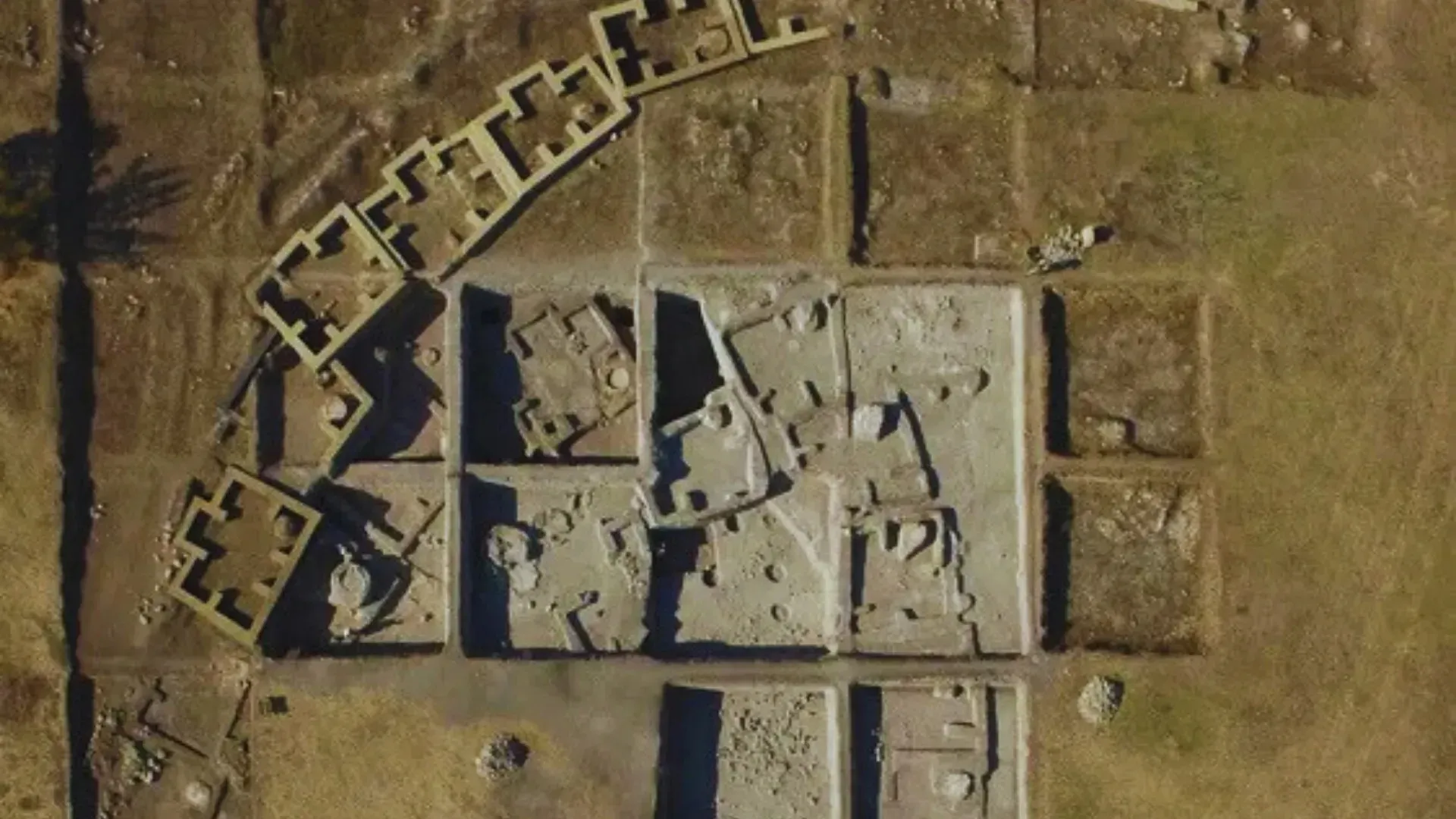
History in Bursa begins approximately 8,500 years ago with the Neolithic communities of Aktopraklık Mound and persists through the Chalcolithic era. The remains of mud-brick houses unearthed from the soil whisper stories of how agriculture and settled life first took root in these lands.
As time marched on, Bursa transformed into a regional power center during the ancient era, shaped by the Mysian and Bithynian cultures. The roads, structures, and urban fabric established during the Roman Empire reinforced the city’s strategic importance. Furthermore, the councils held in Nicaea (Iznik) demonstrate that this geography was a decisive center not only politically but also in terms of religious history. The walls of Iznik bear the marks of shifting powers and defense strategies spanning centuries.
In the 14th century, as the first capital of the Ottoman Empire, Bursa opened the door to a new era. Its social complexes (külliye), inns, and bazaars embody the empire’s architectural and economic vision. Yet, this city speaks not only through its monuments but also through the layers hidden beneath its soil. With a continuity stretching from prehistory to empires, Bursa is a geography of time that keeps the traces of the past alive in today’s memory.

Other Articles

For All Requests, Complaints, and Questions
444 16 00