Bath Culture of Bursa
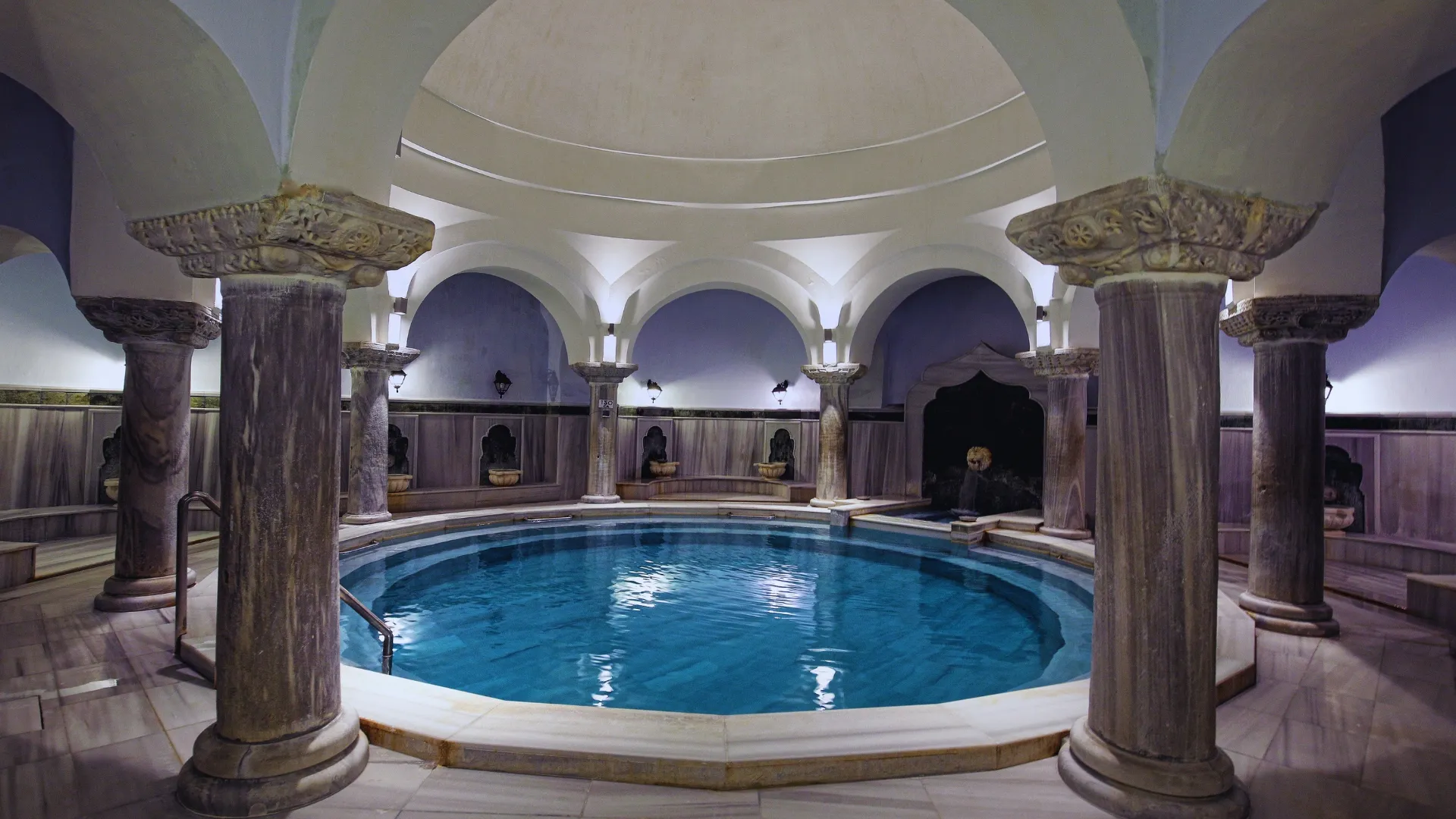
Evliya Çelebi, the famous Ottoman traveler, famously remarked in his Seyahatnâme (Book of Travels) while describing Bursa: "In short, Bursa is a city of water." Situated on the slopes of Mount Uludağ, Bursa’s abundance of both cold and thermal water resources has facilitated the construction of baths (hamams) throughout every period of its history. Historical records indicate that there are 55 baths in Bursa, with 41 located in the city center and 14 mentioned in written sources across its various districts.
More Than Just a Bath: A Social Hub
Beyond their architectural grandeur and functionality, baths have served as vital social living spaces within traditional Turkish life. This heritage continues today through various ceremonies marking life’s major milestones, such as:
- Bridal Baths (Gelin Hamamı): A celebratory bathing ritual before a wedding.
- Circumcision Festivities: Traditional gatherings for young boys.
- Postpartum Baths (Lohusa Hamamı): A ritual for mothers after childbirth.
- Votive Baths (Adak Hamamı): Bathing performed after the fulfillment of a solemn vow or prayer.
Material and Oral Heritage
The physical items used in these baths—such as peshtemals (traditional loincloths), bath bowls, soap, exfoliating gloves (kese), towels, and wooden clogs (takunya)—form the ethnographic backbone of this culture. Although their designs have evolved over time, their significance remains unchanged.
Furthermore, the bath culture is completed by a rich tradition of folk literature, including legends about the origins of the healing thermal waters and stories regarding their medicinal properties. These oral traditions remain essential cultural elements that define the spiritual and physical healing power of Bursa’s waters.
Other Articles

For All Requests, Complaints, and Questions
444 16 00