
İznik Tile
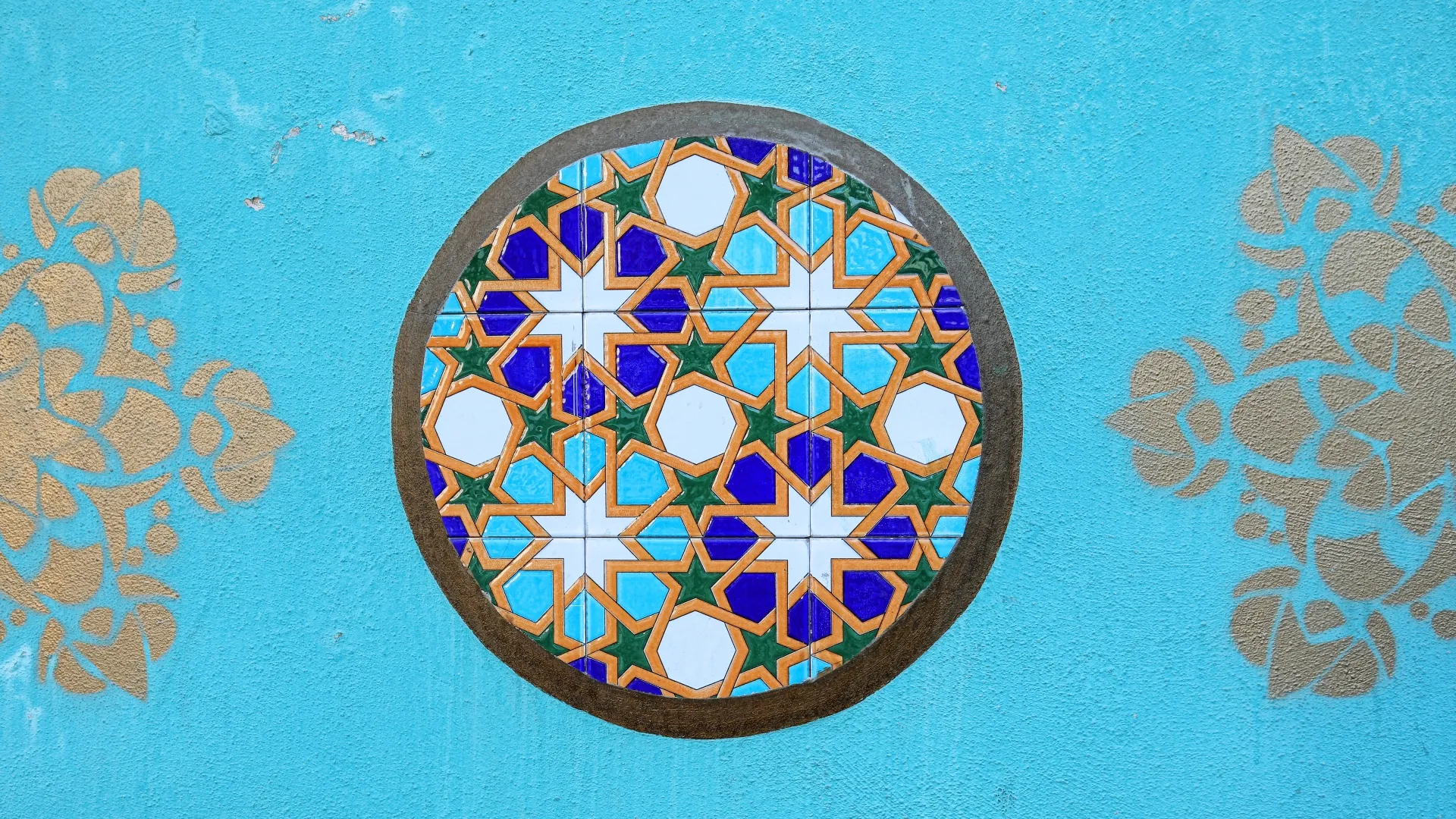
Located in the heart of Bursa, İznik has been a cradle of civilizations for centuries and is globally renowned as the capital of tile art. This magnificent craft flourished under the mastery of local artisans, reaching its golden age during the 14th and 15th centuries. These tiles were the primary ornaments of mosques and imperial palaces, elevating the grandeur of Ottoman architecture to new heights.
What makes İznik tiles unique is their composition. Composed of nearly 80% quartz—a semi-precious stone—they are often described in ceramic literature as "The Impossible-to-Produce Ceramic." This high quartz content gives the tiles their characteristic brilliance and enduring strength, a secret that challenged potters for generations.
Symbols and Philosophy
Every motif on an İznik tile is a silent language, reflecting the social life and spiritual beliefs of its creator. Shaped by Islamic philosophy, the designs often symbolize a spiritual journey and the aspiration to reach a divine essence:
- Grapes: Representing abundance and fertility across every era.
- Tulips: Symbolizing life and the oneness of God.
- Colors & Patterns: Peace, love, and harmony are expressed through the vibrant corals, deep blues, and turquoise hues that define the art.
Today, İznik tiles remain one of the most prestigious elements of our historical and cultural heritage, bridging the past with the present through timeless beauty.

Other Articles

For All Requests, Complaints, and Questions
444 16 00