
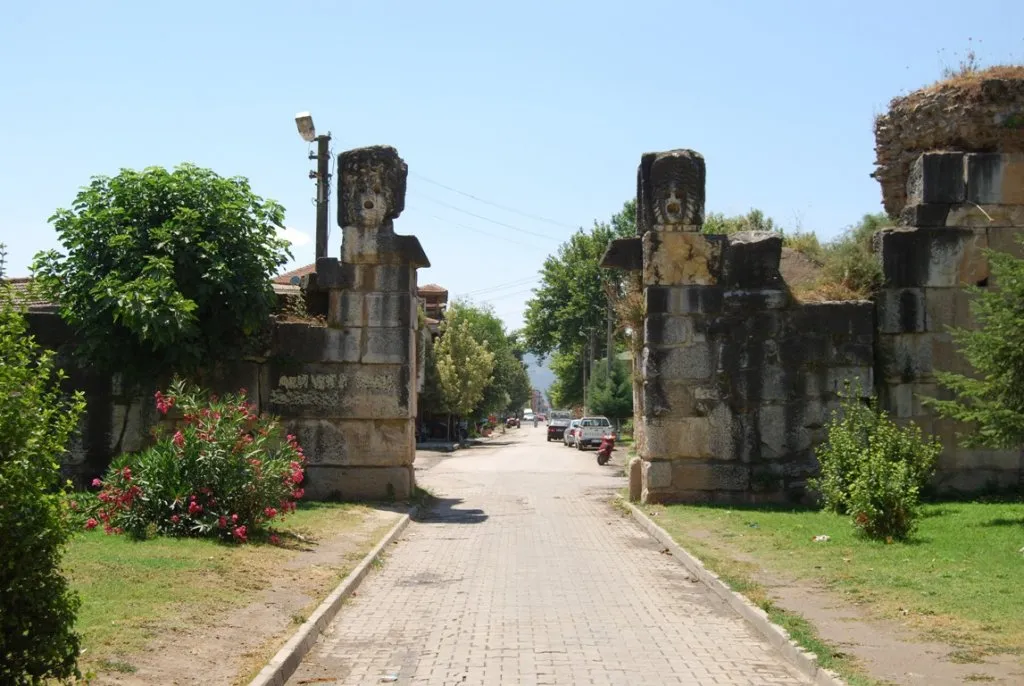
İstanbul Gate/İznik
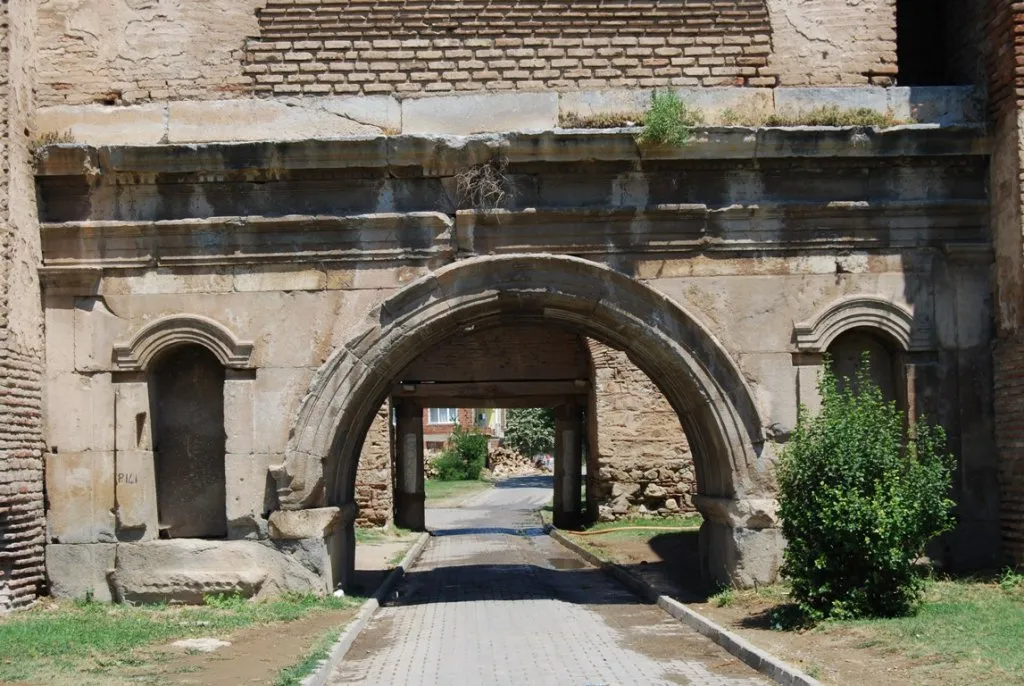
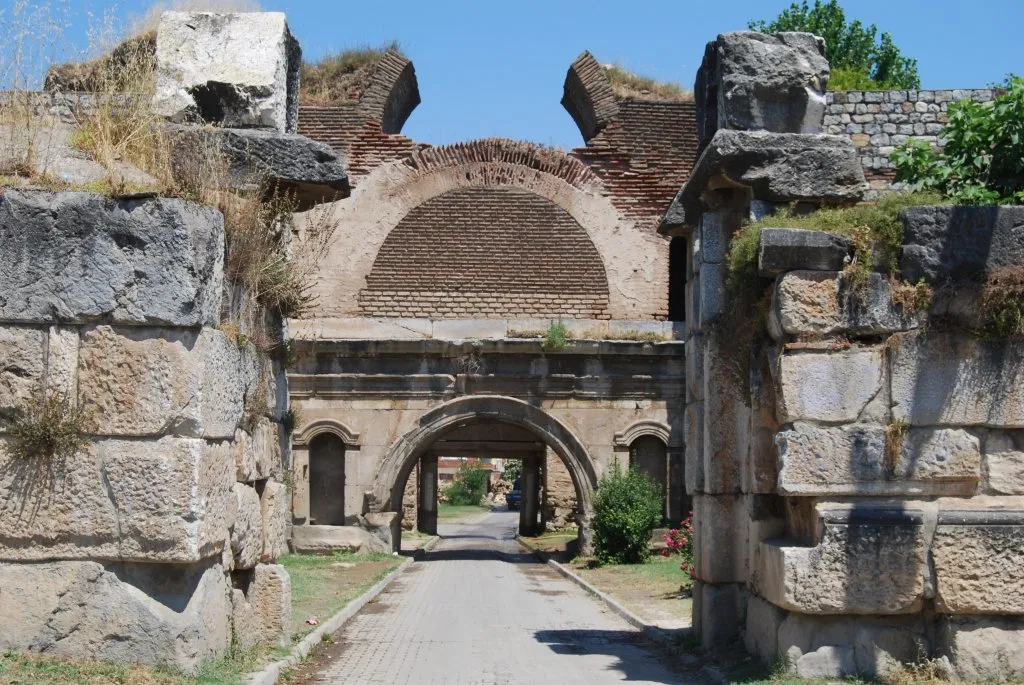
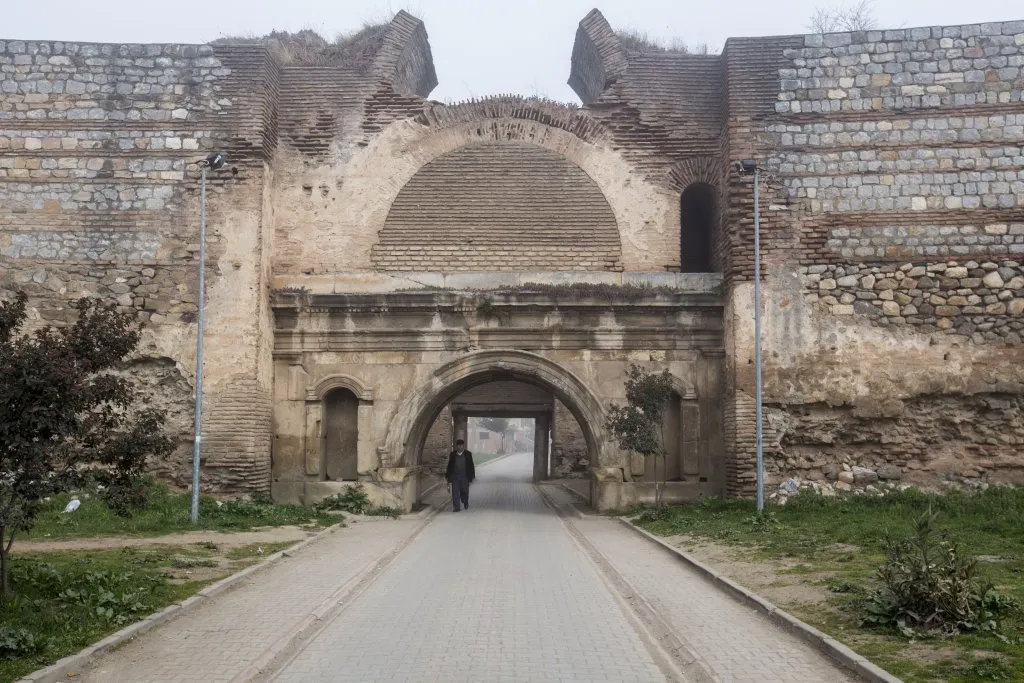
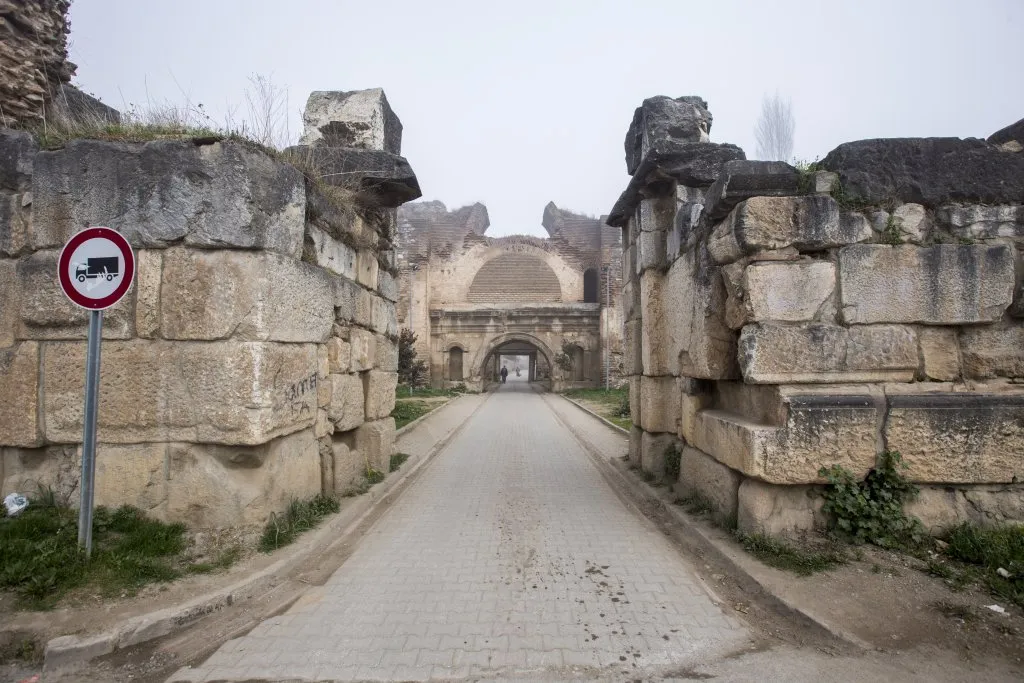
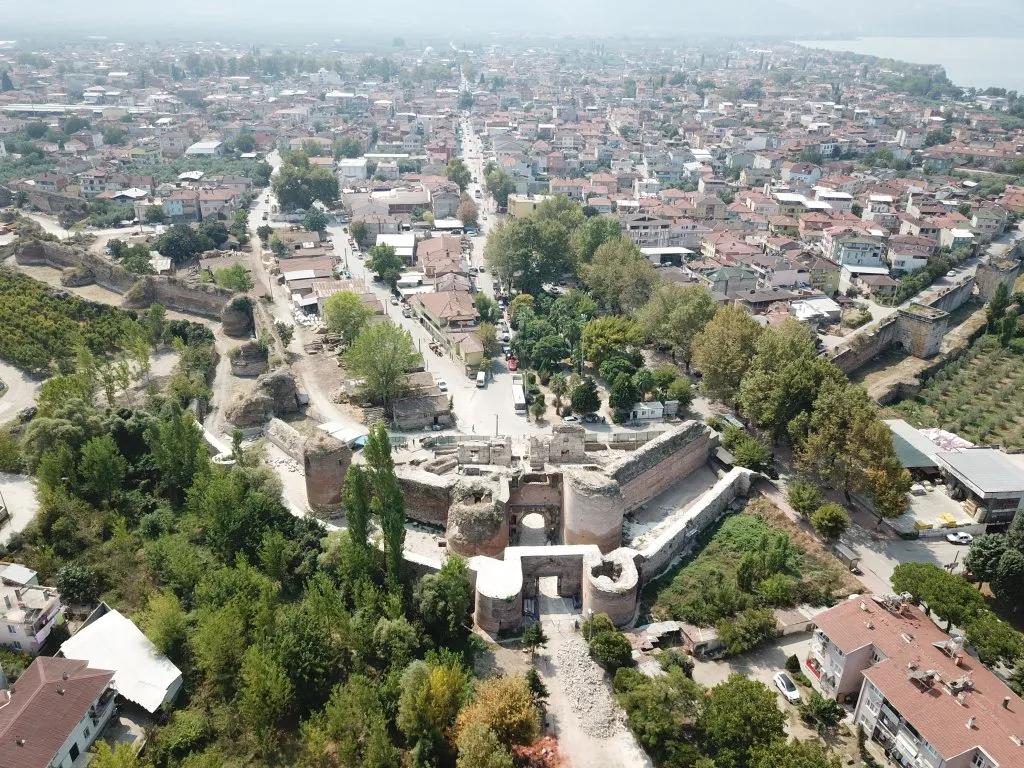
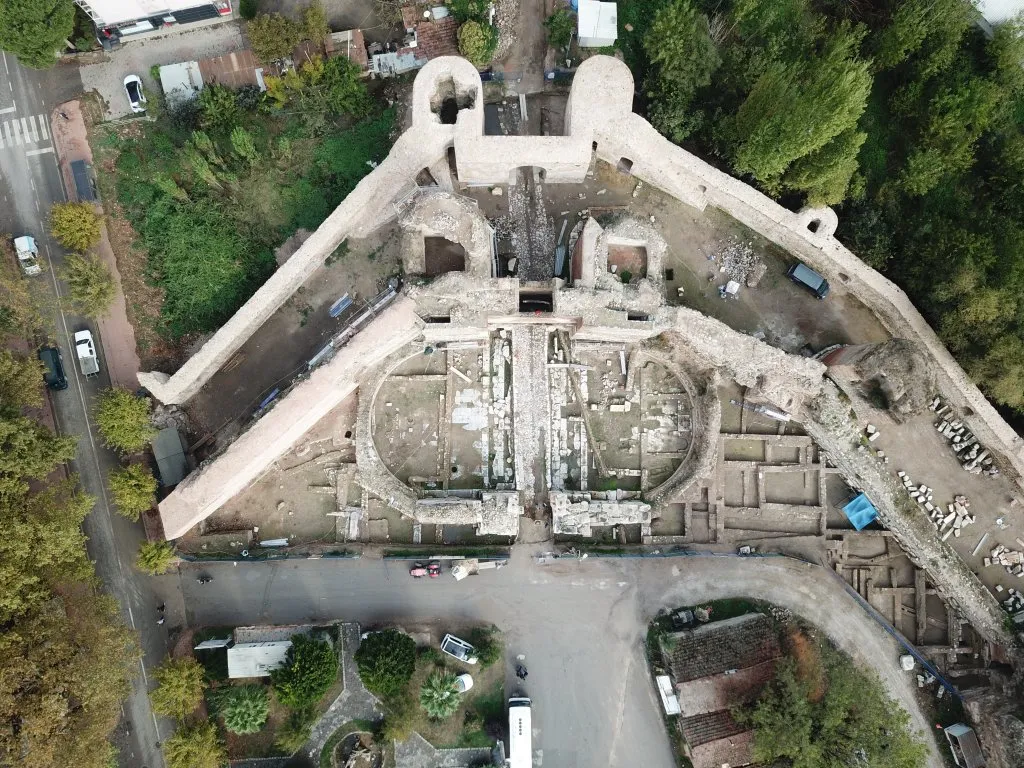
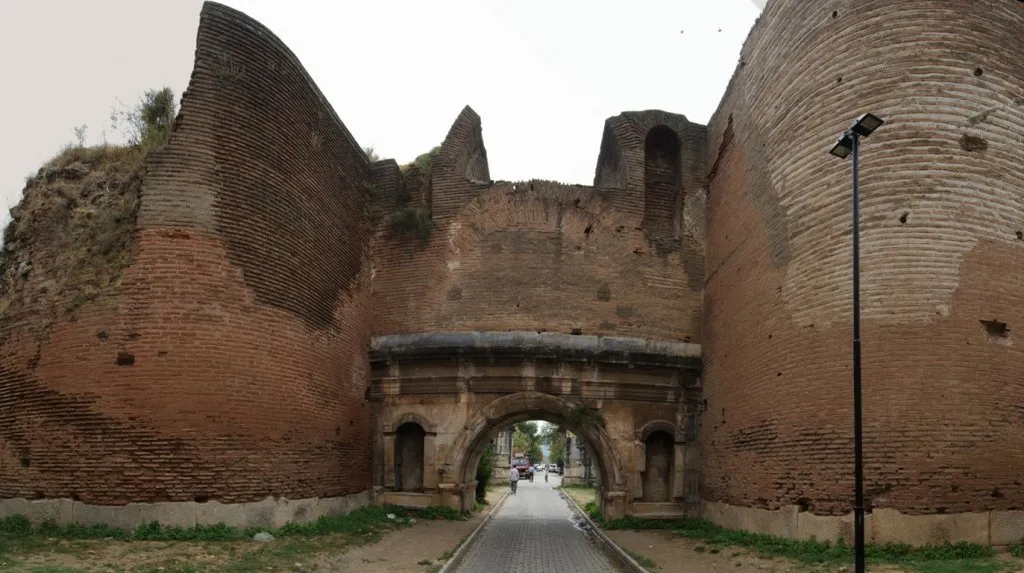
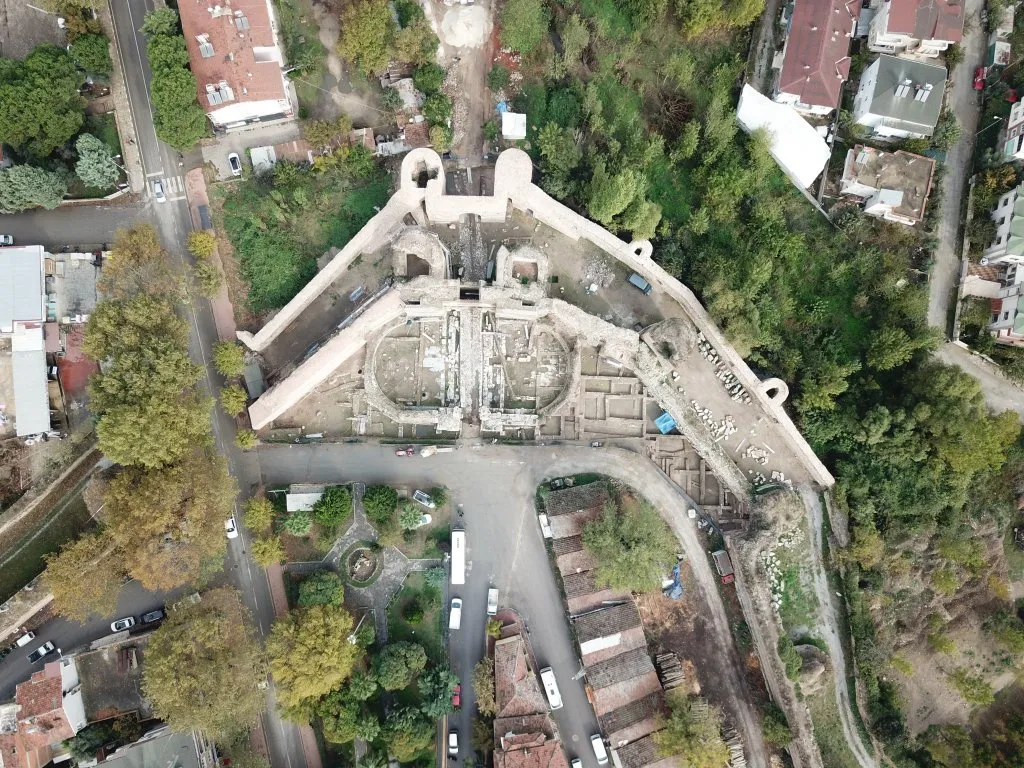
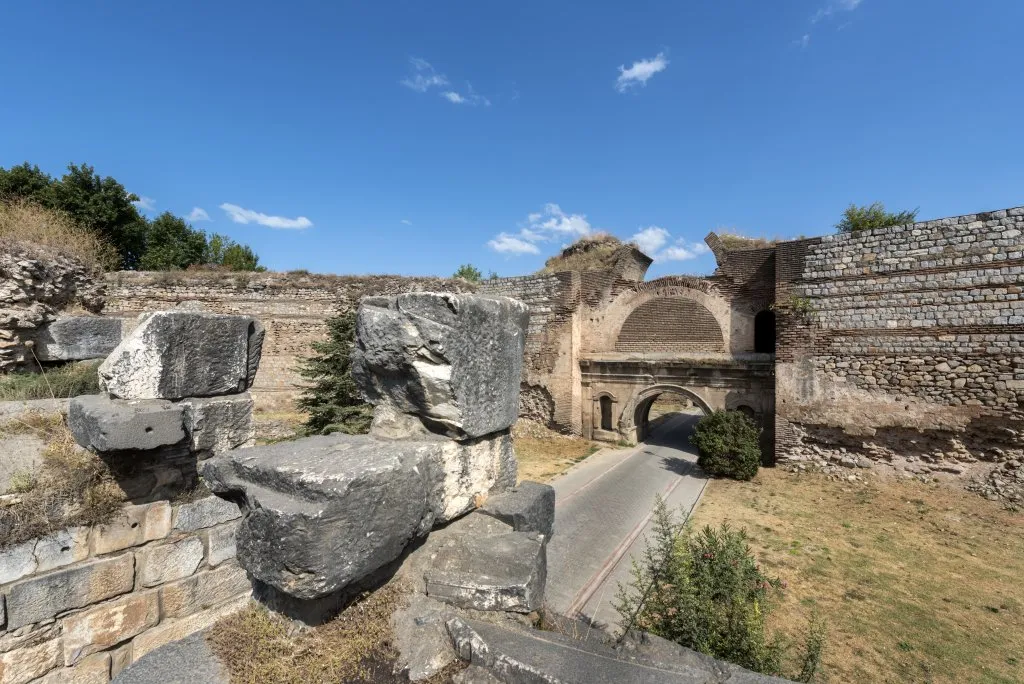
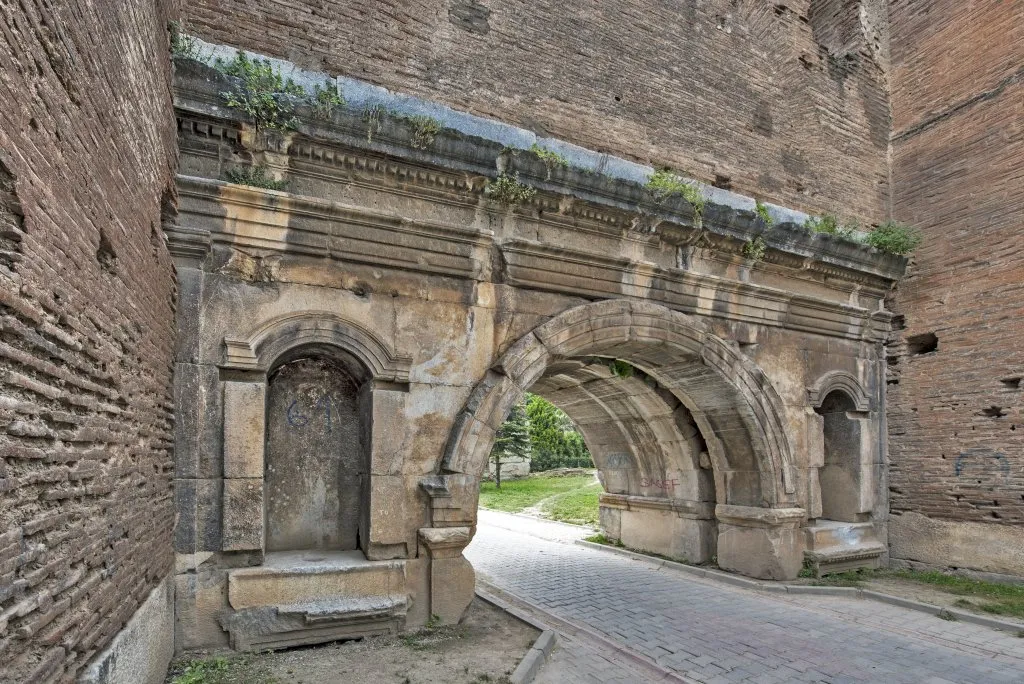
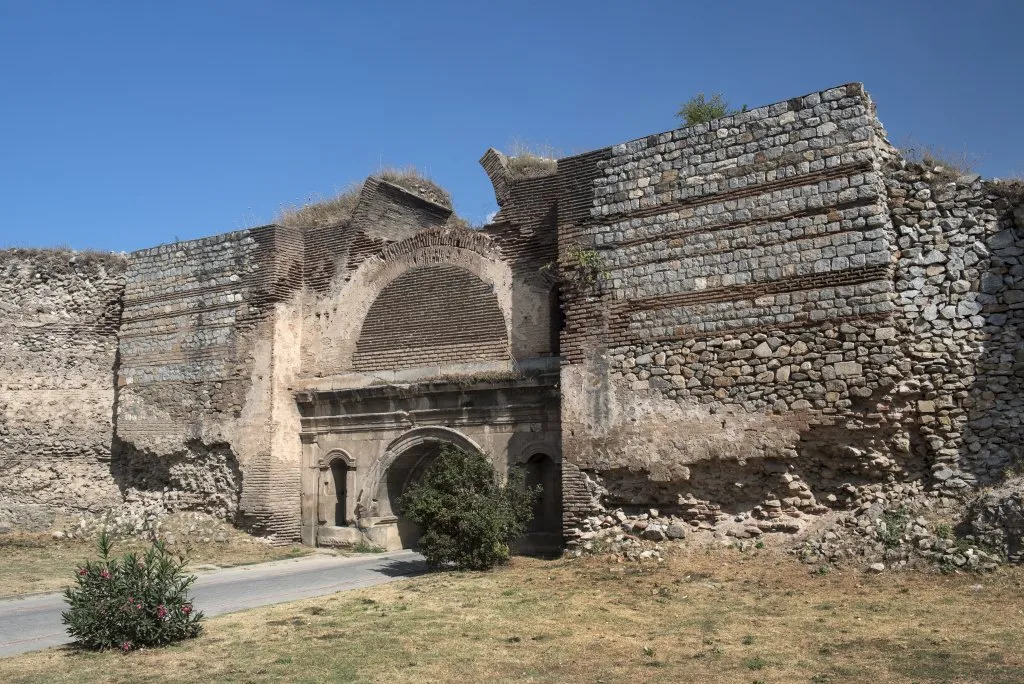
It is called the Istanbul Gate because it lies on the road to Istanbul. It was built by M. Plancius Varus, governor of the Province of Bithynia during the reigns of Vespasian and Titus, who ruled the Roman Empire in the second half of the 1st century AD, with the financial support of Gaius Cassius Khrestos of Nicaea. After the earthquake of AD 120, the structure was repaired and restored with the financial support of Emperor Hadrian. It is understood that, as the city faced no external threat until the 3rd century AD, it did not invest in defensive architecture. Exposed to the Gothic invasion in this period, the city built city walls for defence. Thus, in the 3rd century AD, a double-gated entrance was created on the same axis at the city’s northern entrance: one joined to the city wall (the gate with the Honorary Arch) and the other on the city side.
In the 13th century, İznik (Nicaea) strengthened its defensive architecture by adding a second wall in front of the walls built in the 3rd century AD.
As an open-air site, it can normally be viewed from outside at any time of day, free of charge.
Important note: The gate is currently closed to visitors due to ongoing restoration and excavation work in the area.
Interactions
Other Venues

For All Requests, Complaints, and Questions
444 16 00