
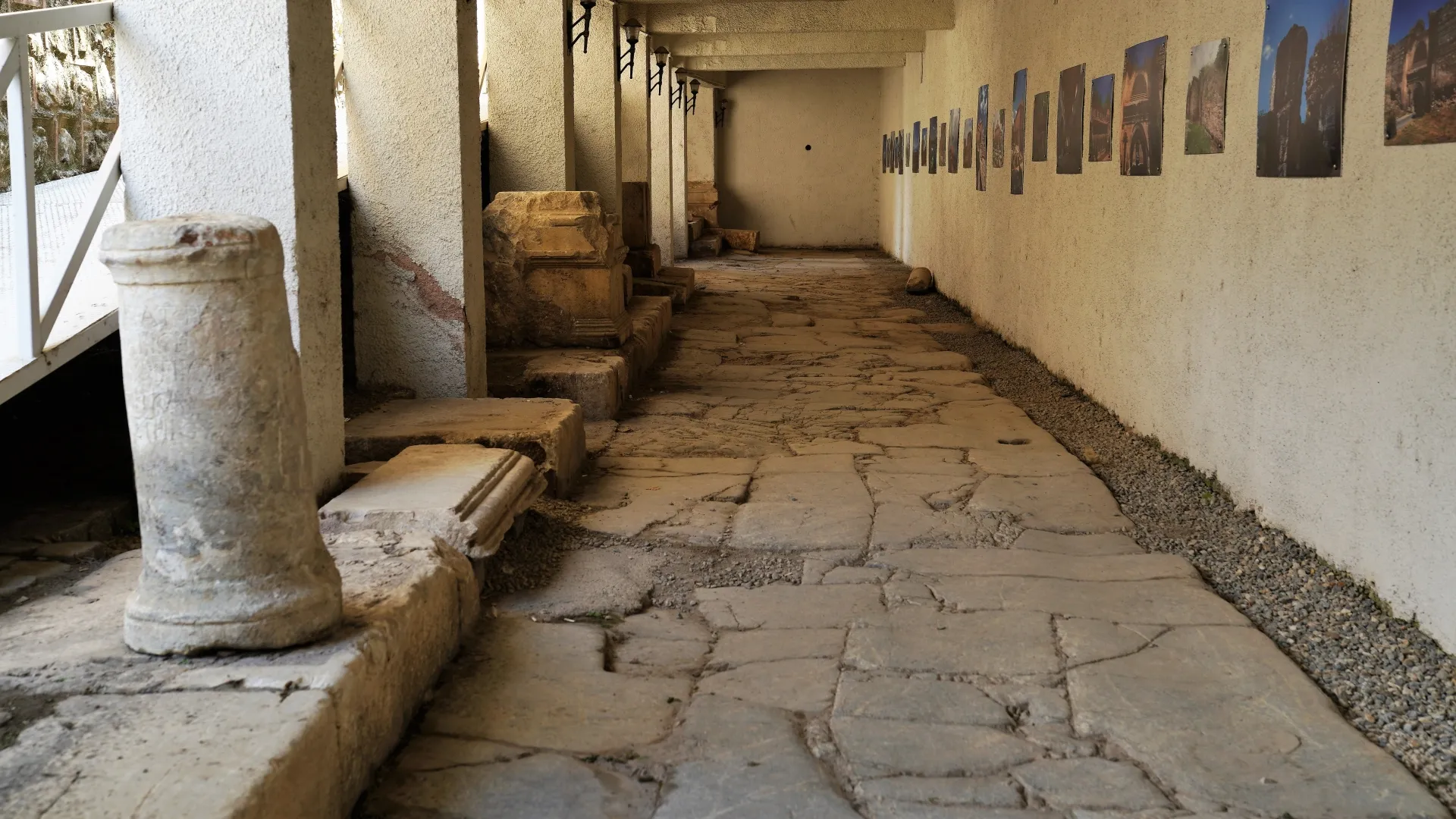
Ancient Roman Road of İznik
The Ancient Roman Road in Bursa’s İznik district is one of the important archaeological remains shedding light on the deep-rooted history of the city known in antiquity as Nicaea and on its urban planning during the Roman Empire. Preserved beneath İznik’s historic urban fabric with a history of about two thousand years, this road is a valuable cultural heritage that carries the transport system and urban life of antiquity into the present.
Ancient Nicaea developed as one of the important cities of the Bithynia region in the Roman period. The city’s regular plan was shaped around main streets intersecting at right angles and their connections with the city gates. In the Roman urban tradition, main roads running north–south and east–west formed the basis of the city’s commercial, social and public life.
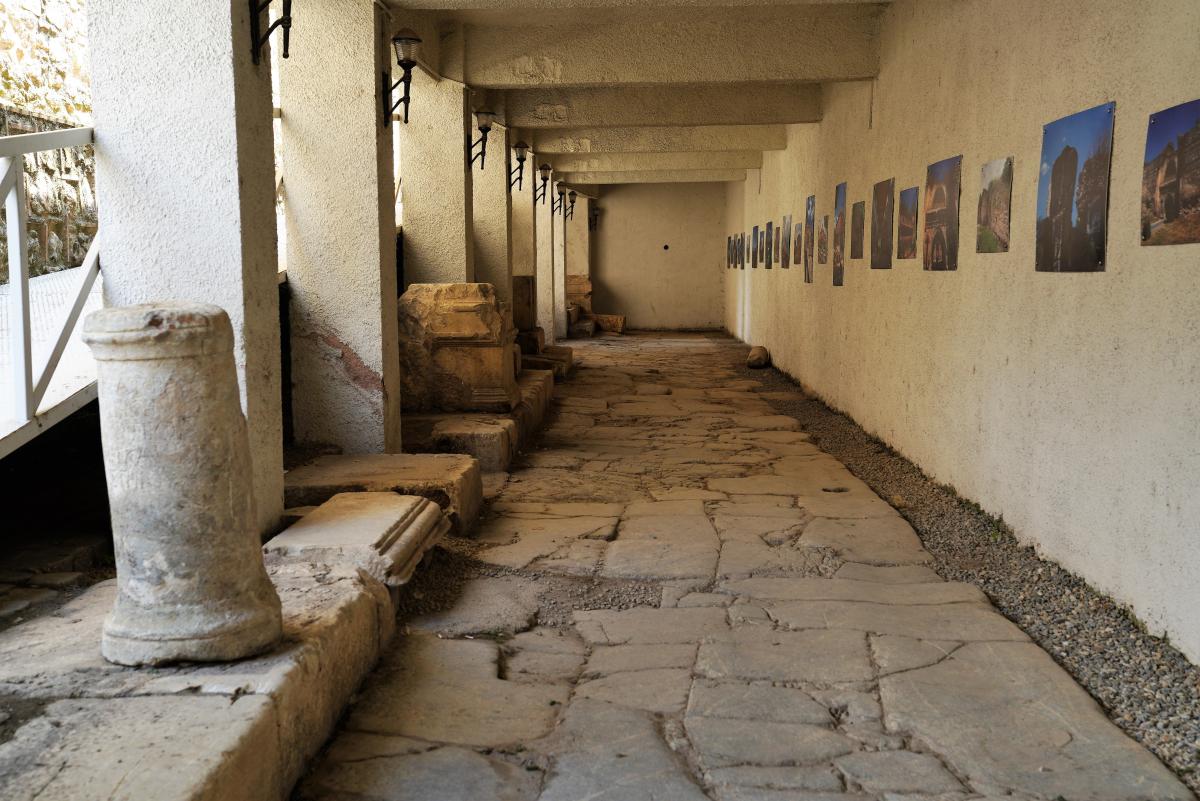
The İznik Ancient Roman Road is among the rare surviving traces of the city’s north–south main street system. The stone-paved road remains provide important information about the street layout, transport infrastructure and urban planning of ancient Nicaea. Lying below today’s street level, this historic road also reveals the cultural layers formed as the city was used and reshaped by different civilisations over the centuries.
Important remains of the Roman road were identified during archaeological research carried out during the restoration of the Murad I Bath in 2006–2007. Other road sections uncovered in excavations around the Istanbul Gate contributed to understanding the route of the ancient city’s main street. Thanks to these discoveries, more comprehensive information has been obtained about Nicaea’s transport axes and city plan in the Roman period.
The road’s paving stones are regarded as tangible examples of Roman engineering and urbanism. The remains visible today allow visitors to imagine the daily life of the city’s residents who once used this route, while also showing how historic buildings and streets have changed over time.
İznik’s Roman-era transport system is also closely linked to the city’s monumental gates. The Istanbul Gate to the north, the Lefke Gate to the east, the Yenişehir Gate to the south and the Lake Gate to the west formed the ancient city’s transport connections in different directions. These gates and the main street layout are important for understanding Nicaea’s relations with regional transport networks and surrounding settlements.
The İznik Ancient Roman Road is not just a route that has survived from the past but also an important archaeological document reflecting the urbanism of the Roman Empire and the daily life of Nicaea. Considered together with the İznik city walls, the Istanbul Gate, the Hagia Sophia Orhan Mosque and other historic buildings, it offers visitors the chance to explore the city’s Roman, Byzantine and Ottoman periods together.
For visitors who wish to follow the traces of the past in İznik’s millennia-old historic atmosphere, the Ancient Roman Road is a special cultural stop inviting them to discover the Roman heritage hidden beneath the city’s streets.
Closed on Mondays. Open from Tuesday to Sunday between 08:00 and 17:00, free of charge.
Interactions
Other Venues

For All Requests, Complaints, and Questions
444 16 00