
Kemaliye Village
Kemaliye Village: Discover Historic Mosque Architecture and Traditional Rural Heritage
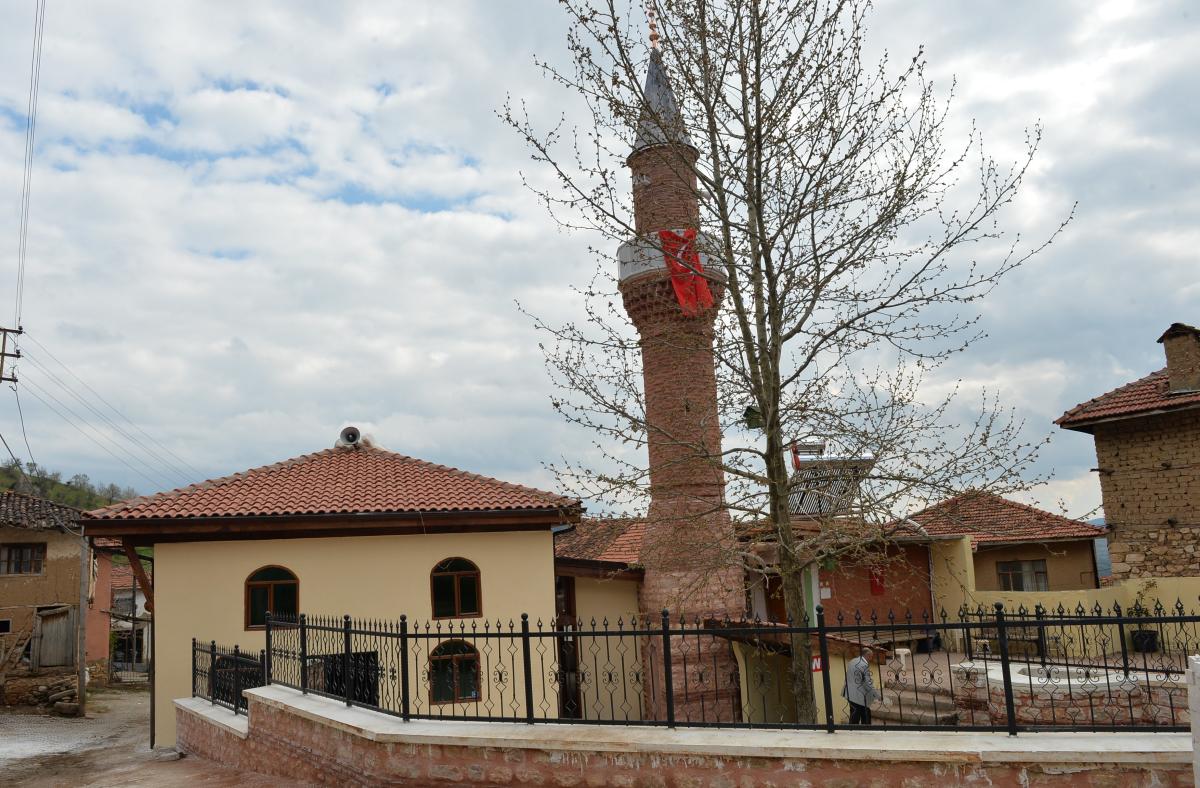
Located approximately 11 kilometres south of the town centre of Keles in Bursa, Kemaliye Village is a cultural heritage destination distinguished by its historical background and traditional architecture. Known as Kızılkilise until the Republican period, the village was renamed Kemaliye in 1922. Mentioned in early Ottoman chronicles, the settlement has a long history associated with the Kızılkeçili Yörüks, a Turkmen pastoral community.
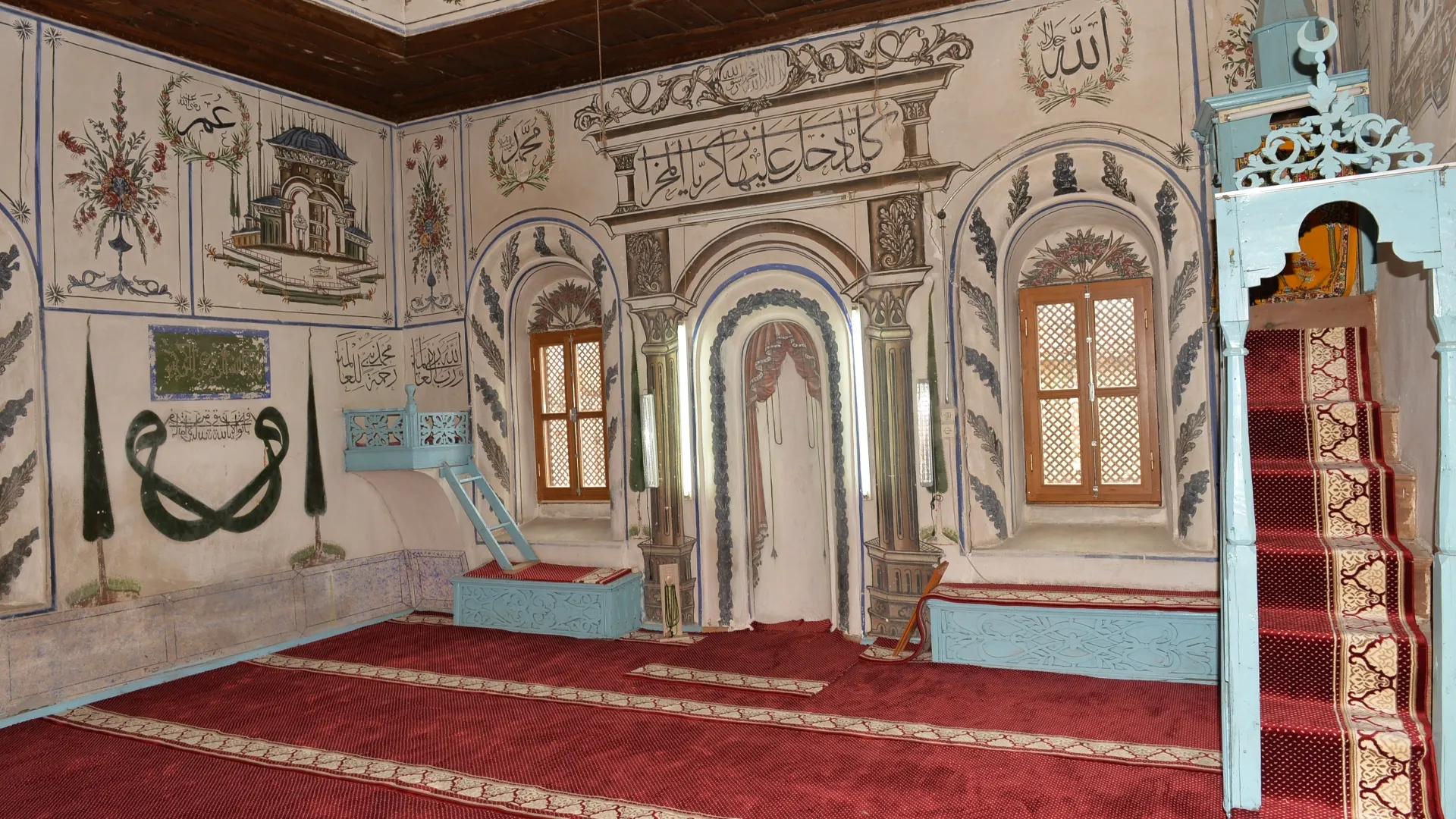
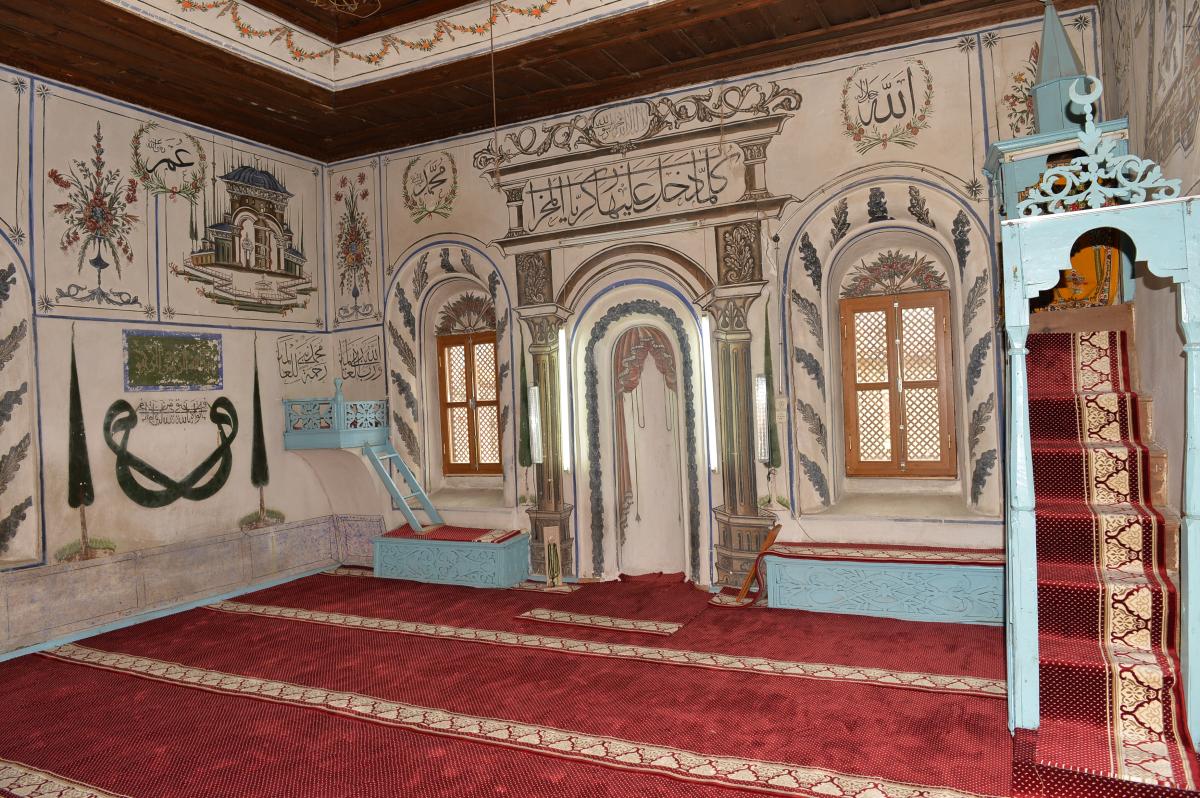
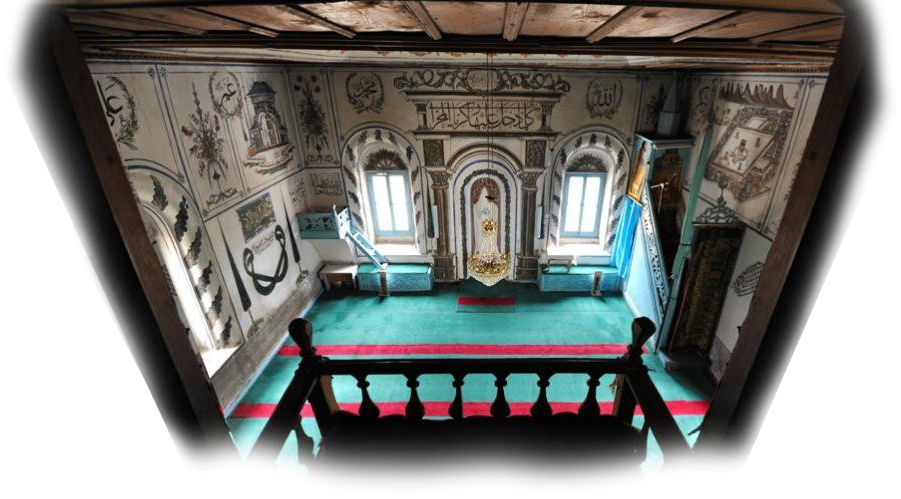
The village’s most remarkable historical landmark is Kemaliye Mosque, built in 1874–1875. Although its exterior is relatively modest, the mosque is notable for its richly decorated interior. Its painted decorations include floral vases, botanical motifs, architectural scenes, inscriptions, and a depiction of the Kaaba. The ornamented wooden ceiling and finely crafted minbar (pulpit) reflect local interpretations of 19th-century Ottoman artistic traditions. These features make the mosque a valuable example for visitors interested in the changing decorative styles of Ottoman religious architecture during the period of Westernisation.
Kemaliye’s historical heritage extends beyond the Ottoman era. Architectural remains dating from the Byzantine period have been identified in and around the village. Historical accounts also refer to a former dervish lodge in the settlement, offering further insight into its religious and cultural past.
A visit to Kemaliye provides an opportunity to appreciate the mosque’s architectural details, explore the traditional village atmosphere, and discover the cultural heritage of the Keles region. For travellers interested in history, architecture, and rural life, Kemaliye Village is a rewarding cultural stop on the Keles Route.
Visitor tip: Visitors wishing to view the mosque’s interior decorations should respect prayer times and the religious use of the building. Local sources can provide further information about the locations and accessibility of other historical remains in the village.
Interactions
Other Venues

For All Requests, Complaints, and Questions
444 16 00