
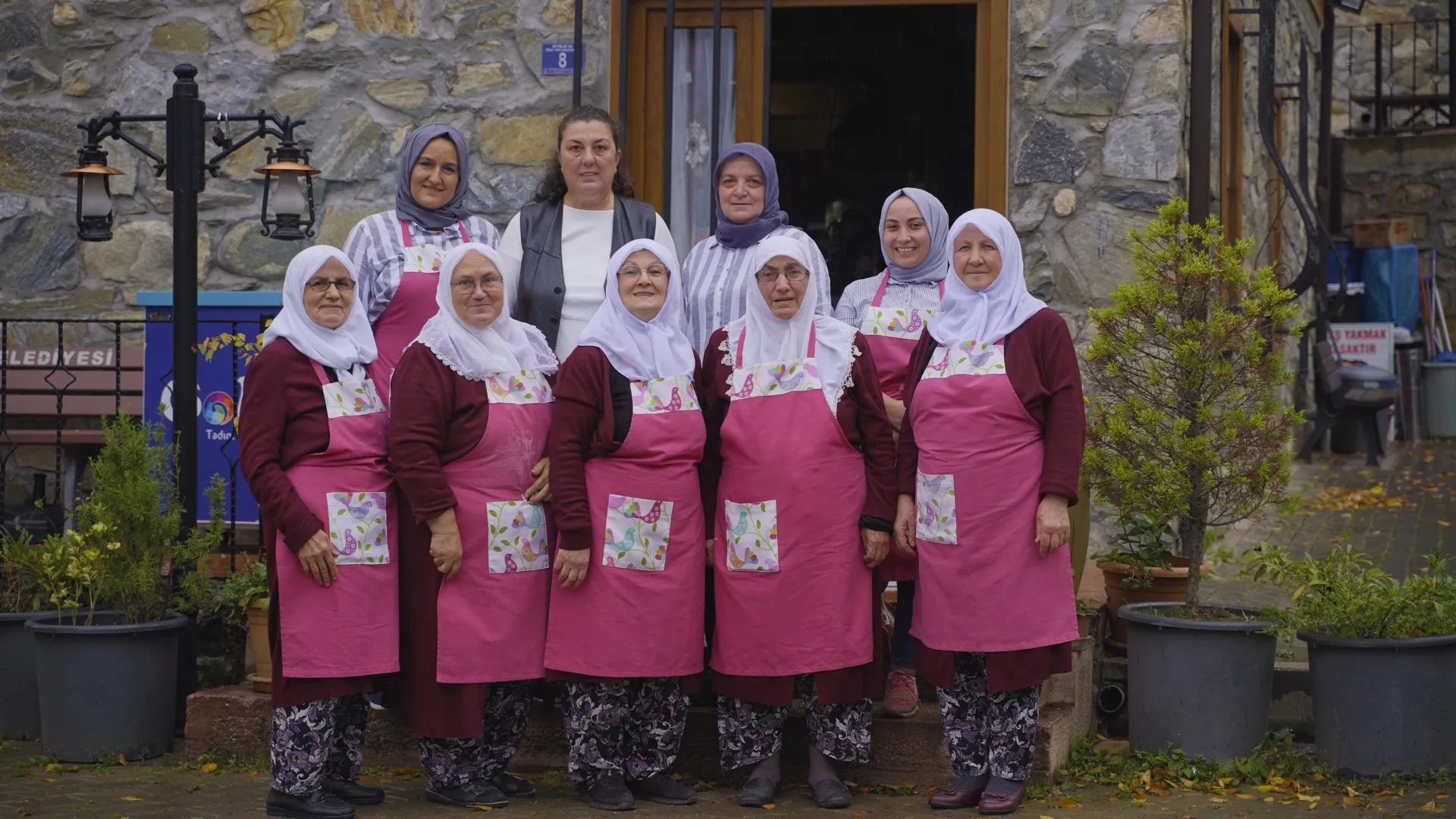
Mahinur Makar; Chairperson of Zeyniler Çalıkuşu Women’s Agricultural Development Cooperative
The road curves like a letter.
From the city below, if you look up toward the mountain, the first sharp zigzag resembles a “Z.” That is how many people remember it — the Z road.
Follow it long enough and the noise of Bursa begins to fall away. The traffic softens. The air changes. The green deepens. The road narrows, climbs, insists a little.
And then you arrive in Zeyniler.
A village so close to the city — and yet somehow far from it.
Most people come here because of a novel.
Reşat Nuri Güntekin once stood at Seyirtepe, the overlook at the entrance of the village — one side opening to the vast Bursa plain, the other leaning into the mountain. He was so taken by the view that he began writing Çalıkuşu here. The heroine Feride — inspired, they say, by a village woman known as Aunt Feride — would go on to become one of the most beloved figures in Turkish literature.
But Zeyniler is not only literature.
It is migration. It is memory.
The village was founded by five brothers who arrived from Ahıska after the 1877–78 Ottoman-Russian War. Its first name was Beşevler — Five Houses. They were first settled in Çekirge, then marshland. Malaria took their children. They searched for higher ground and found this mountainside that reminded them of home. They cleared stones by hand. They carved terraces into rock. They stayed.
Life here was never easy. The road was once accessibleonly by donkey or horse. Over time, some families moved down to the city for work, for school, for industry. But the village remained — a plateau of stubborn beauty.
And in 2015, something new began here.
The Çalıkuşu Women’s Cooperative.
The name is no accident.
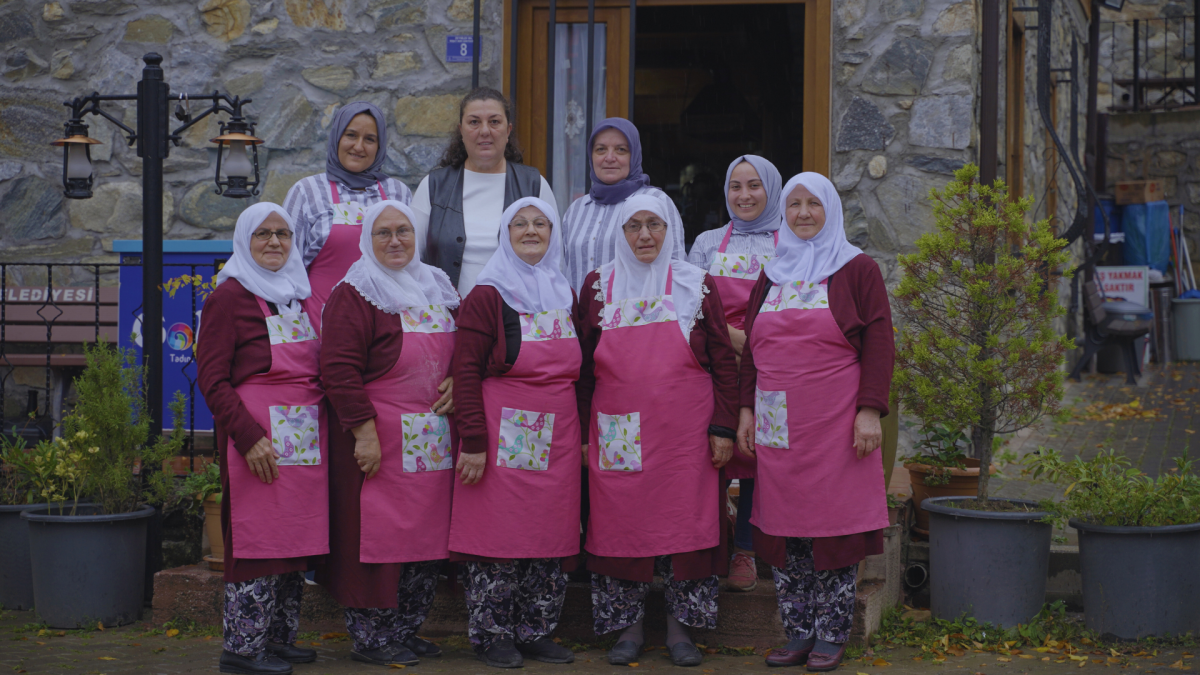
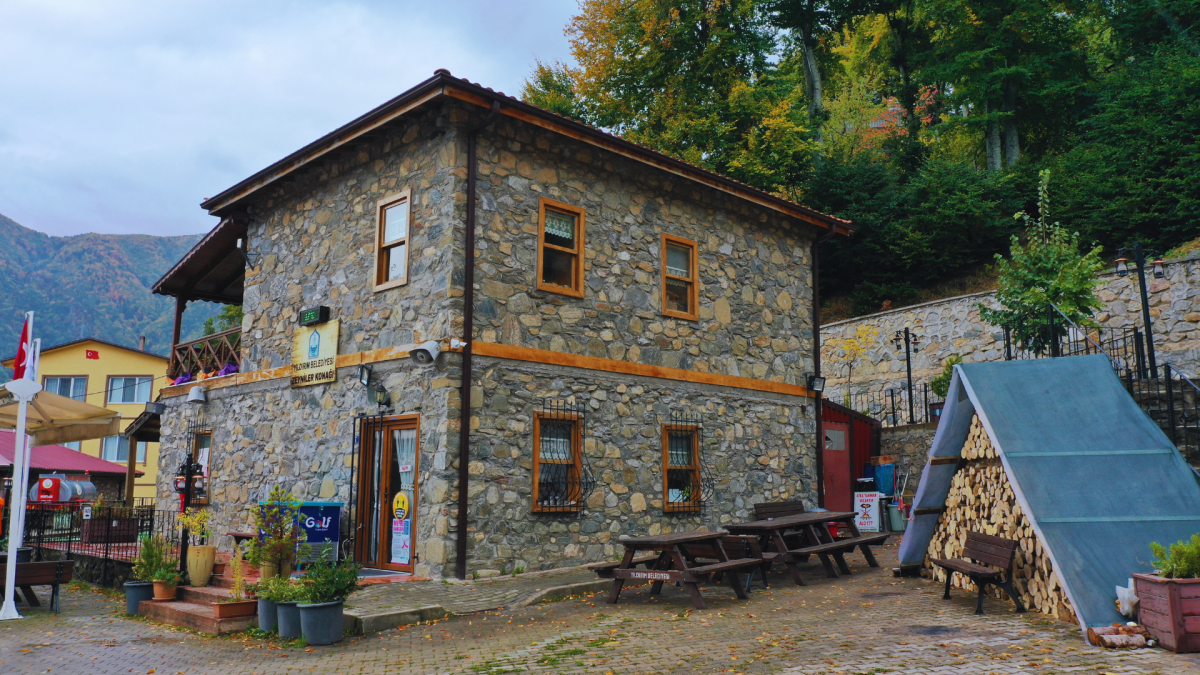
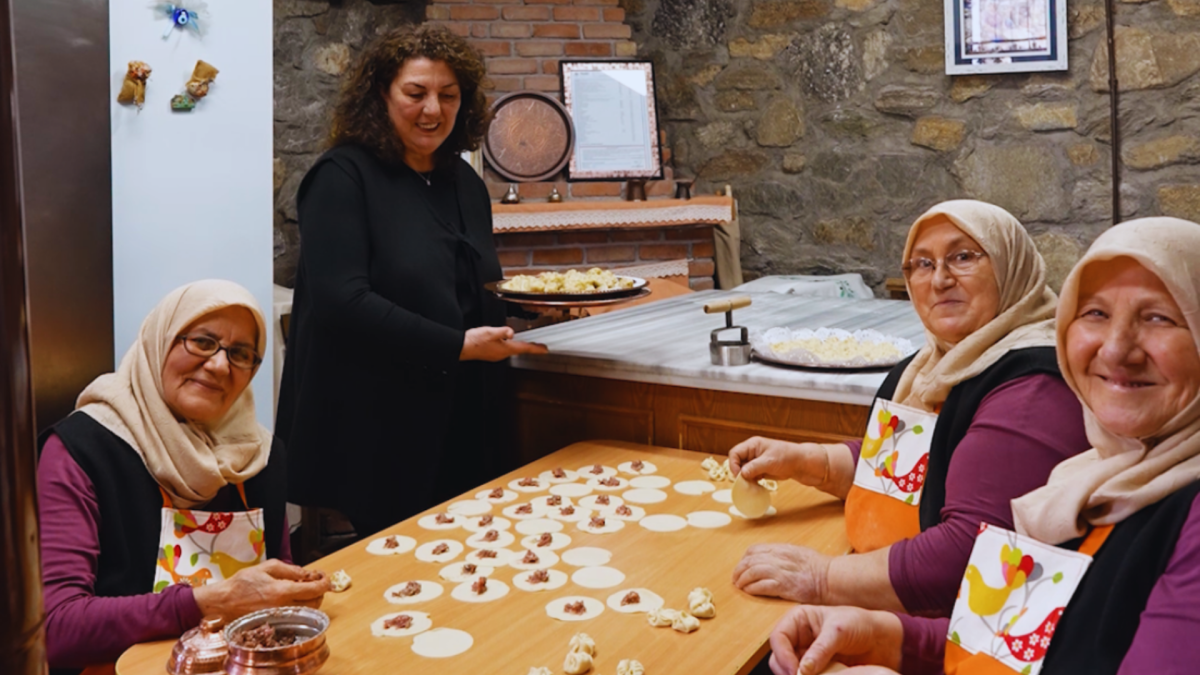
Inside a modest municipal building operated since 2017, a group of women — around forty members, with ten or so active volunteers — decided to turn memory into livelihood.
When I stepped inside, I did not feel like I was entering a business.
I felt like I was entering a home.
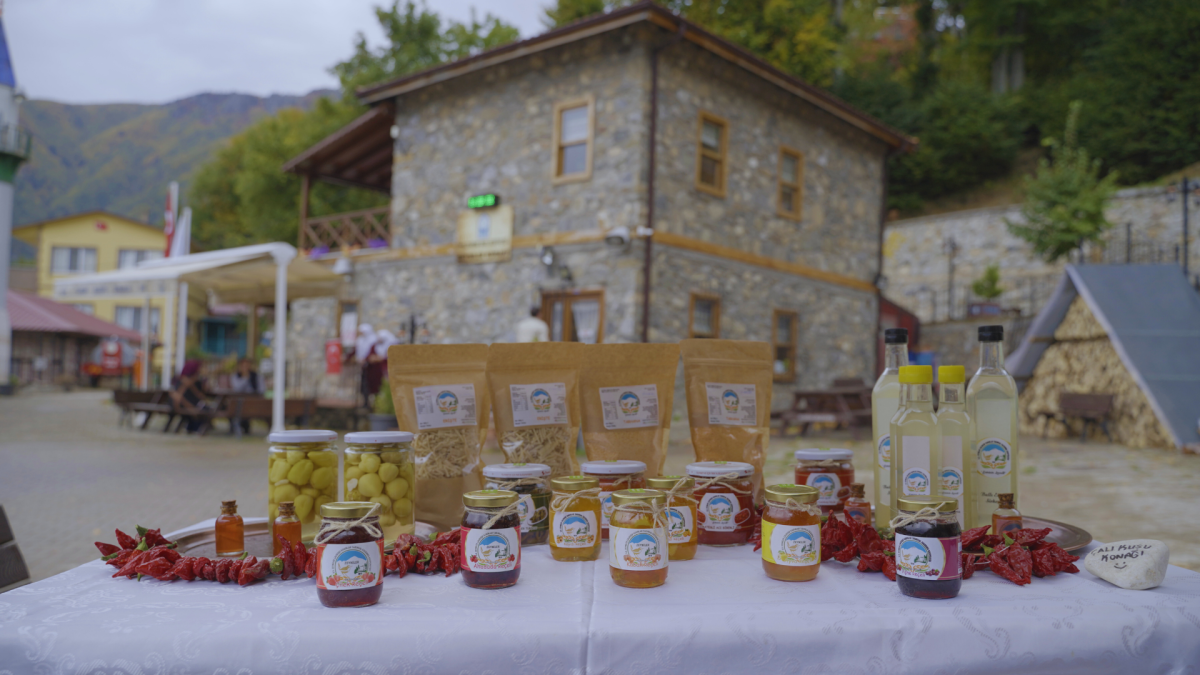
White tablecloths. Sunlight falling through large windows. The scent of fresh bread and simmering jam. Jars lined neatly along wooden shelves — strawberry, quince, fig, each labeled by hand.
Mahinur Makar, the cooperative’s president, moves between tables with calm assurance. She once said, “Kadının eli, annenin ruhunu katıyoruz” — we add a mother’s spirit through a woman’s touch.
And you can feel that.
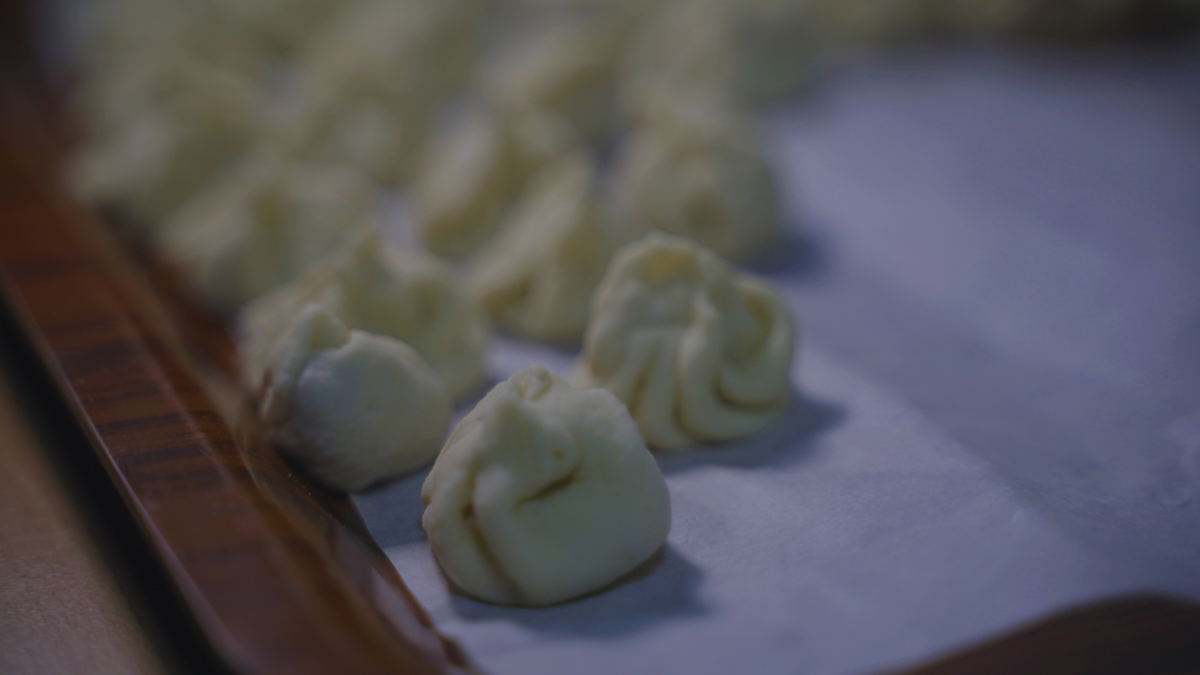
They serve breakfast between 10 and 1. Serpme kahvaltı — generous, colorful, abundant. Homemade jams from seasonal fruits. Mantı folded by hand. Toasts, hot tea, strong coffee. Much of what they serve is either made by them or sourced from the village itself.
It is not driven by commercial ambition.
“We are a cooperative,” Mahinur explains. “Our goal is quality and contribution.”
They attend hygiene trainings. They participate in municipal vocational programs. They work in shifts. They are not yet profitable — they are still building, still improving, still investing back into the space.
But what they are building is not just a breakfast venue.
They are building continuity.
The women of Zeyniler are not fictional heroines like Feride. They are real. They wake early. They prepare. They host. They preserve recipes that might otherwise fade.
Outside, the mountain air carries the sound of paragliders launching from nearby slopes. The city stretches below in full view. Yet inside the cooperative, time slows.
You sit. You taste. You listen.
And somewhere between a spoonful of homemade jam and a glass of tea, you understand that this village is not just a backdrop to a novel.
It is a living story.
One where women chose not to leave.
One where heritage is not displayed behind glass — but served warm on a breakfast table.
In Zeyniler, Feride may have been fictional.
But resilience is not.
Interactions
Other Venues

For All Requests, Complaints, and Questions
444 16 00